Let’s be honest, sometimes we love to play judge. When someone spirals publicly, we point and say “What the hell happened to them?” Like we’re all born with equal wiring and self-control, just different PR teams.
Think about people like Katie Price and her love for plastic surgery, Britney Spears with her messy social media uploads and public meltdowns, Amy Winehouse or Kanye West - humans turned into headlines. Or your mate Dave who lost his job, hit the drink and stopped paying child support? Each one has been labelled unstable, reckless, self-destructive, toxic, manipulative, crazy or narcissistic. The verdict is simple: they chose to act that way! But psychology would whisper something far less convenient - maybe they didn’t. Maybe the version of them you’re seeing is the sum of a million invisible variables they never picked.
Kanye is a perfect case study, not to defend him, but to understand him. A man capable of building musical masterpieces and burning bridges with equal passion. What looks like ego might actually be a brain wired for intensity - reward circuits on overdrive, emotional regulation systems misfiring, and a lifetime of unresolved chaos driving the engine.
What if it’s not moral failure, but neurological momentum?
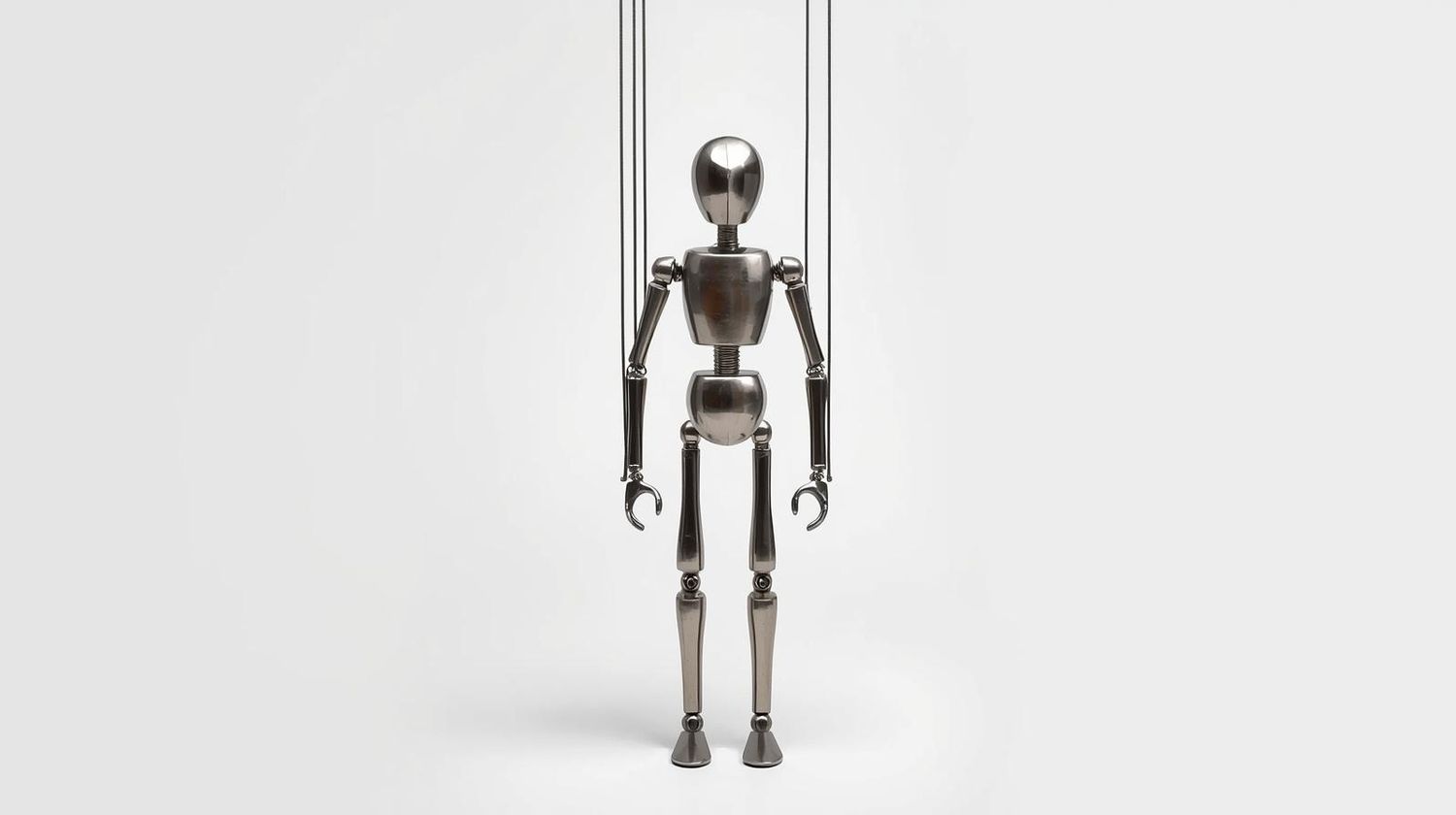
This is where the illusion of free will starts to crack.
The ancient philosophers couldn’t agree on whether we’re the authors of our own story or just reading from a script written by biology and fate. Aristotle said our moral worth depends on conscious choice, that we’re responsible because we know full well what we’re doing. But Democritus, the atom guy, believed everything from love to anger is just matter colliding in predictable ways. Fast-forward a couple thousand years and neuroscientist Sam Harris is still backing Democritus, arguing that every decision you make is just the next domino falling from genetics, neurons, and circumstance. Meanwhile, philosopher Daniel Dennett throws you a lifeline - yes, we’re shaped by forces we can’t control, but we can still steer within them. You can’t rewrite the system, but you can hack it.
So if you’re wondering why you do the shit you do, here’s the not-so-sexy answer: you are your genetics, environment, epigenetics, personality, and physical health, all in one chaotic mash-up.
Your genetics handed you the starter kit, maybe a touch of anxiety from mum, a short temper from dad, or a brain that runs faster than your body can keep up. You didn’t choose that; you mostly inherited it. The mind-blowing part is that your mum’s health while she was pregnant with you literally affected how your brain developed. If she was stressed, malnourished, or anxious, her body flooded yours with cortisol - the stress hormone. That taught your developing brain: the world is dangerous. So you grew up with a hypervigilant nervous system - the adult who double-checks the locks, catastrophises texts, or spirals over tone changes in a message. That’s not drama, but (very likely) a prenatal programming.
Your environment taught you how to use that wiring. A nurturing home might’ve made you trusting, a volatile one might’ve taught you to flinch first and feel later. If your childhood was noise, your adult life probably still echoes.
Then comes epigenetics, the switchboard of your DNA. Life experiences - trauma, neglect, even long-term stress can flip genes on or off like light switches. You’re not just a copy of your parents’ genes; you’re the remix, shaped by what’s happened since.
Your personality is how all that translates into behaviour. The shy kid who became a people-pleaser? Not random, it’s a protective adaptation that once kept them safe. The sarcastic, detached one? Same damage, different defence.
And finally, physical health - your brain isn’t floating in isolation. Low vitamin D, poor gut health, chronic stress, poor sleep, they all mess with neurotransmitters - the brain’s tiny messengers who decide whether you feel alive or apathetic, calm or chaotic. When dopamine’s high, you chase pleasure; when serotonin’s low, life feels heavier. Throw in a bit too much adrenaline and suddenly you’re arguing, shopping, or spiralling for no real reason. These chemicals write the script long before you think you’re “choosing” anything. It’s why “lazy” might actually mean “burned out,” and “moody” might just mean “magnesium-deficient.” and that’s just one possibility.
Every single moment of your life, these forces are colliding and negotiating who you are. They decide whether you cry or shut down, trust or test, love or sabotage. You’re not one person; you’re a living compromise of biology, memory, and circumstance.
So next time you wonder why someone’s self-destructing or why you can’t stop repeating your own patterns think about this, your behaviour isn’t born in the moment, it’s decades in the making. You didn’t pick your genes, your parents, your childhood, your hormones, or your nervous system. But you do get to understand and manage them, and that’s the only real freedom you’ll ever have. Probably…